
Over 40,000 Parents Empowered Through Raising Highly Capable Kids Program
The Raising Highly Capable Kids program, the cornerstone of RezilientKidz’s efforts, has now reached over 40,000 parents nationwide, equipping them with the tools and resources needed to raise resilient, successful children.

Empowering Change: Raising Highly Capable Kids Transforms Lives in Santa Ana
Raising Highly Capable Kids started in Santa Ana, California – a city plagued with drugs, gangs, abuse, and poverty. When the program began, change followed.

Making Positive Changes in Your Family This New Year
Lots of parents see the new year as a time they can help make a shift in their family, and they’re right! The new year is the perfect chance to take a look at your parenting and see if there are changes you might like to make.

How Can I Teach My Children Gratitude?
Around Thanksgiving, many of us turn our minds to what we are grateful for, and for parents and caregivers, that often leads us to ask a few questions.

Build a Network of Support
You are not alone. Raising young people takes a group effort and everyone—parents, grandparents, aunts, uncles, teachers, friends, clergy, coaches—play an important role. There are people, places, and resources everyone can turn to when help is needed to support young people.

Asset 40: Positive View of Personal Future
Research shows that young people who are optimistic about the future have better relationships with their parents, increased self-esteem, and decreased emotional or behavioral problems, such as depression, early sexual activity, and violence.

Asset 39: Sense of Purpose
When young people think today about what they want to accomplish in their lives, it shapes their sense of purpose. Each and every young person has something unique to offer the world.
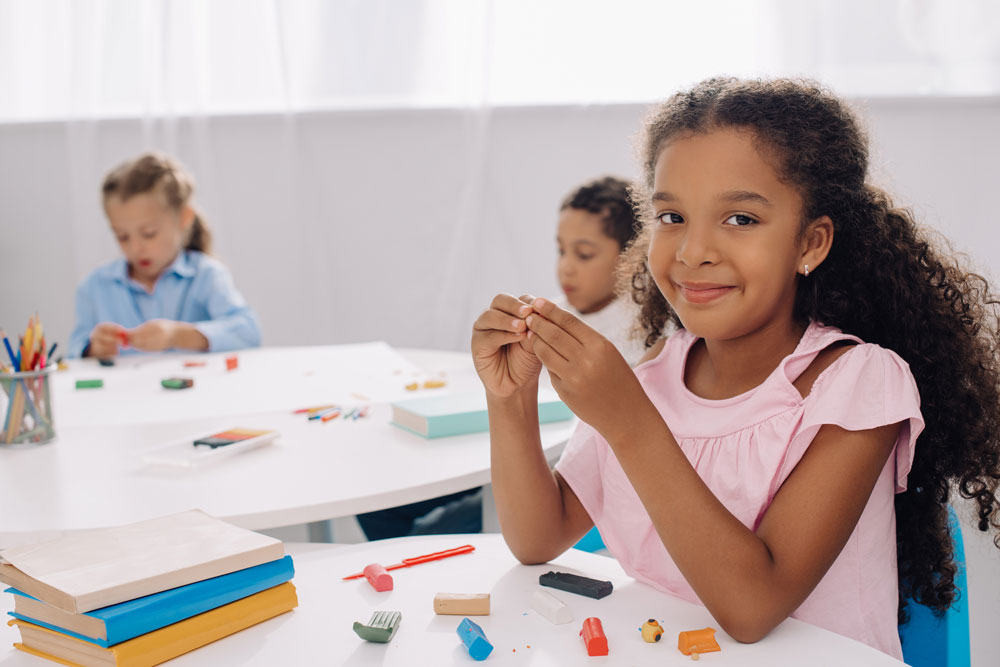
Asset 38: Self-Esteem
Teach young people the values and actions that will build genuine self-esteem, including caring, giving, treating others with kindness and tolerance, and always doing your best in school and other activities.
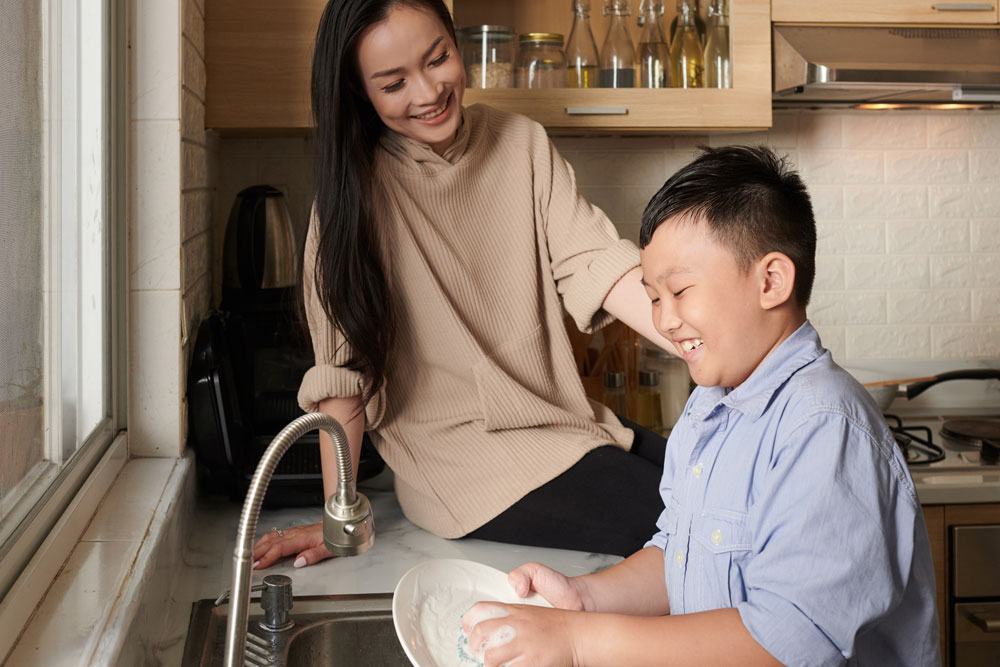
Asset 37: Personal Power
When young people feel empowered, they feel more confident to make their own choices—to get good grades, participate in activities they enjoy, and take action to find solutions to problems.

The Positive Identity Category of Developmental Assets
People who have a strong, positive sense of self maintain these qualities even when difficulties arise. They continue to be hopeful and optimistic, and believe they can make a difference.

Asset 36: Peaceful Conflict Resolution
Research shows that young people who resolve conflicts peacefully do better in school, have higher self-esteem, and are less likely to use alcohol and other substances.

Asset 35: Resistance Skills
Learning resistance is one of the most important social skills to develop. With these skills in hand young people make appropriate decisions and stand firm in what they believe.
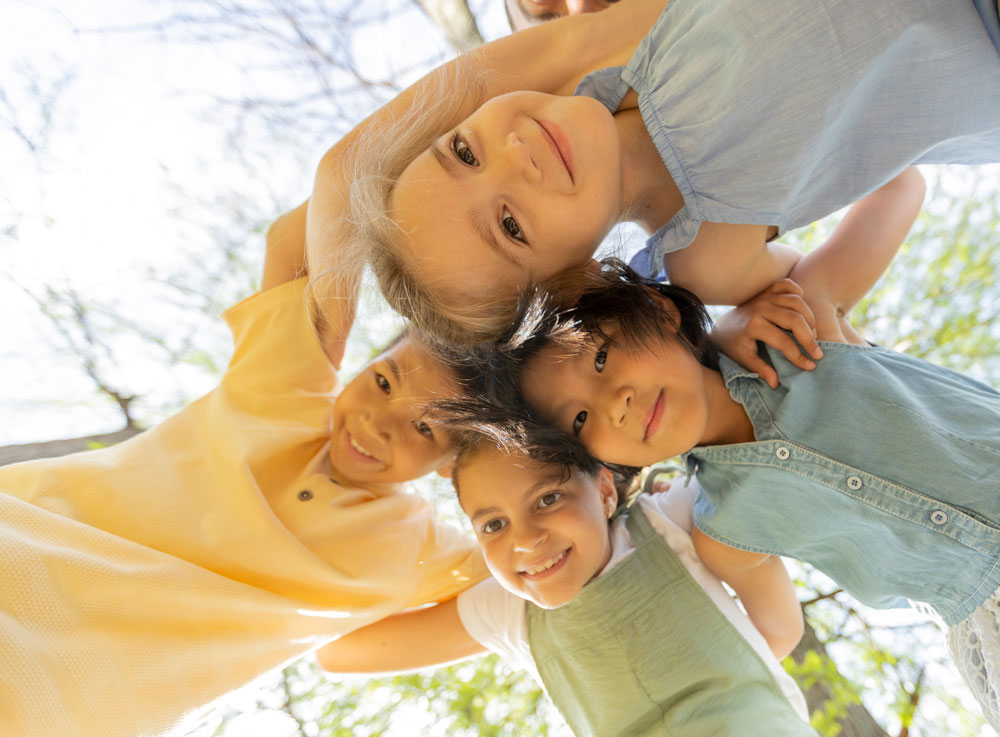
Asset 34: Cultural Competence
Although most people gravitate toward people who are similar to themselves, it’s important to expose young people to a variety of cultures and people. People from different cultural, ethnic, and racial backgrounds can learn many things from one another.
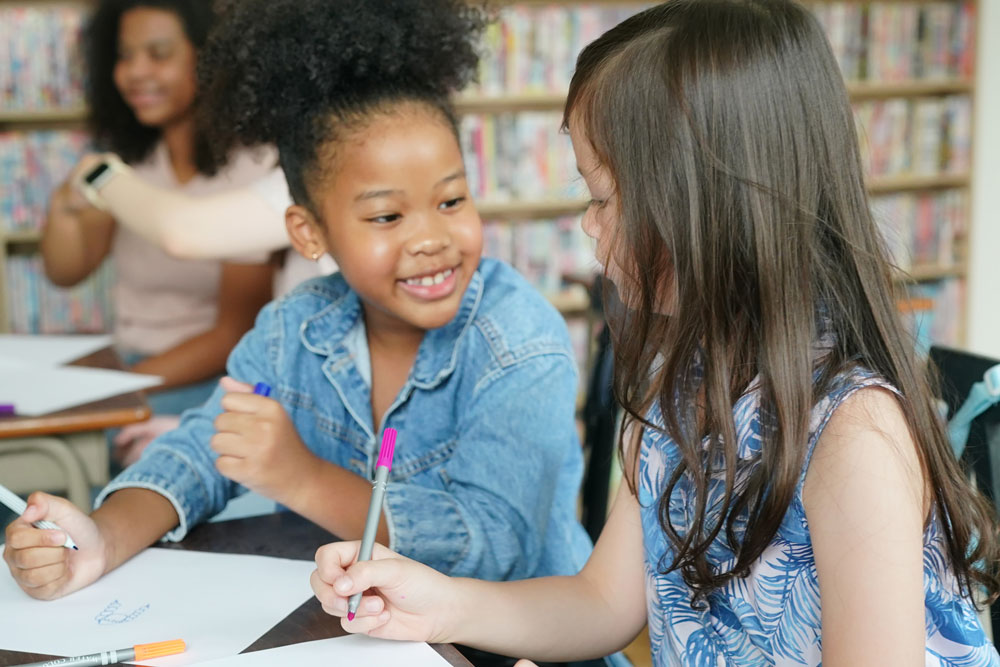
Asset 33: Interpersonal Competence
Research shows that young people who have empathy, sensitivity, and friendship skills are more likely to grow up healthy and avoid risky behaviors, such as violence and alcohol and other drug use.

Asset 32: Planning and Decision Making
Young people make a lot of decisions every day. All of these decisions are good practice for their future as they learn how to take more control of their lives.
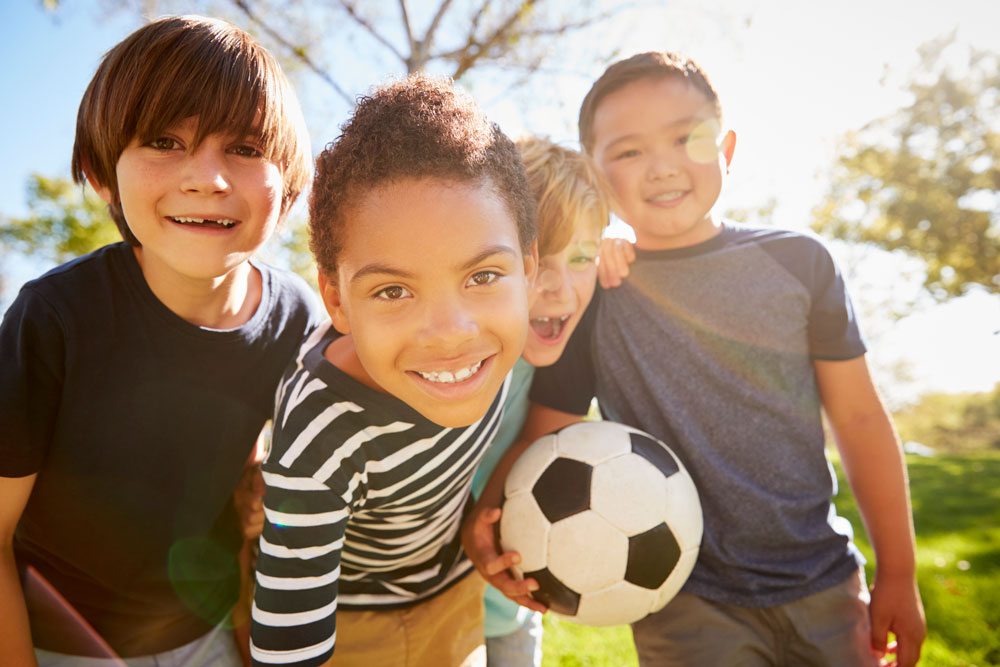
The Social Competencies Category of Developmental Assets
Social competencies are the skills and life perspectives young people need to develop into healthy, competent adults. These skills are important daily, but they’re even more crucial when young people encounter the tough times in life.

Asset 31: Restraint
Work with young people to focus on long-term outcomes—not just on the moment. Helping them to internalize and stand up for their personal values also makes it easier for them to practice restraint and withstand negative peer pressure.
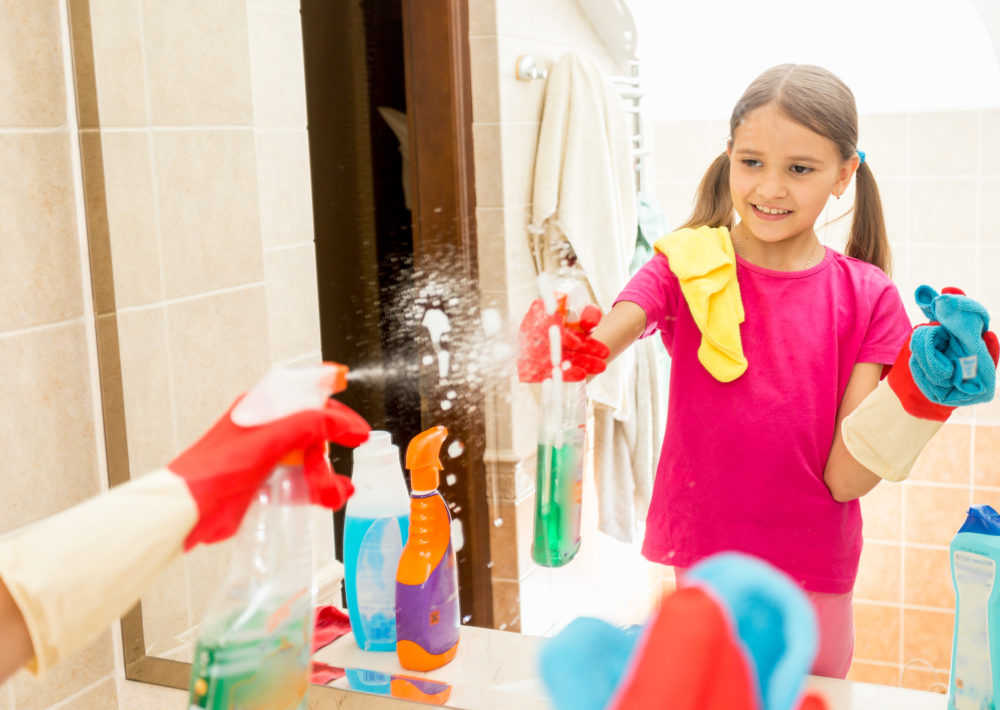
Asset 30: Responsibility
Following rules is important, but is doing as you’re told enough? To become strong, upstanding, and successful adults, possessing a personal desire to be responsible is also significant.

Asset 29: Honesty
Although telling the truth is not always easy, teaching young people the value of honesty, is important. Honesty is crucial for success in all areas of life, including relationships, school, and jobs.

Asset 28: Integrity
Anytime young people draw on their inner spark of courage and act based on their values, they have integrity. The best way to teach integrity to young people may be to practice and model it yourself.
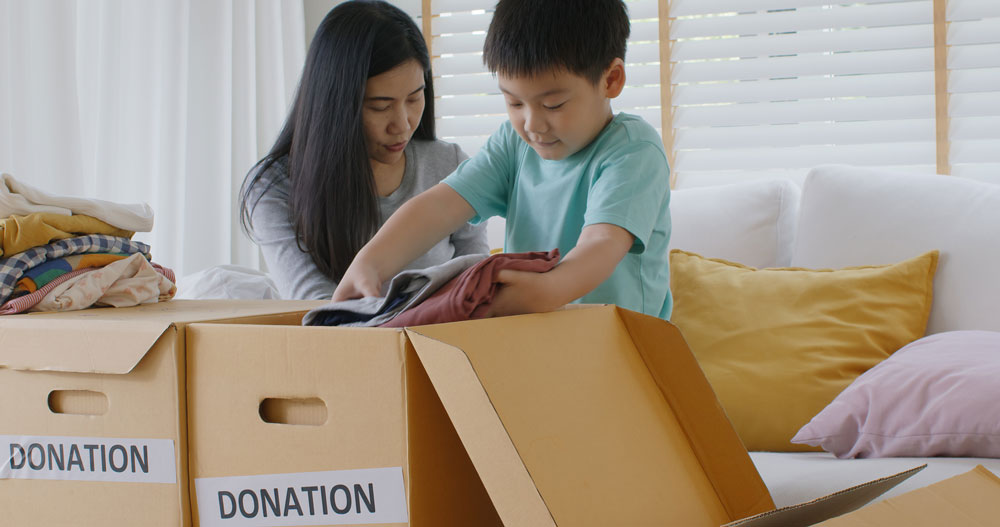
Asset 27: Equality and Social Justice
Young people who are concerned about equality and reducing hunger and poverty may not know what life is like for those who suffer these conditions, but they do understand it’s important to care for people—all people.

Asset 26: Caring
It’s important for young people to be involved in both direct and indirect caring. Direct help is when you spend time and interact with people who need care. Indirect help is when you collect money, food, or other items to give to people who distribute the items to those in need.

The Positive Values Category of Developmental Assets
You are what you believe Values shape young people’s relationships, behaviors, choices, and sense of who they are. Although positive values help young people avoid

Asset 25: Reading for Pleasure
Reading for fun teaches young people how to become strategic, skilled readers. They learn the difference between reading for a test and reading for pleasure. They learn when to read carefully or skim, ask questions or consult a dictionary.
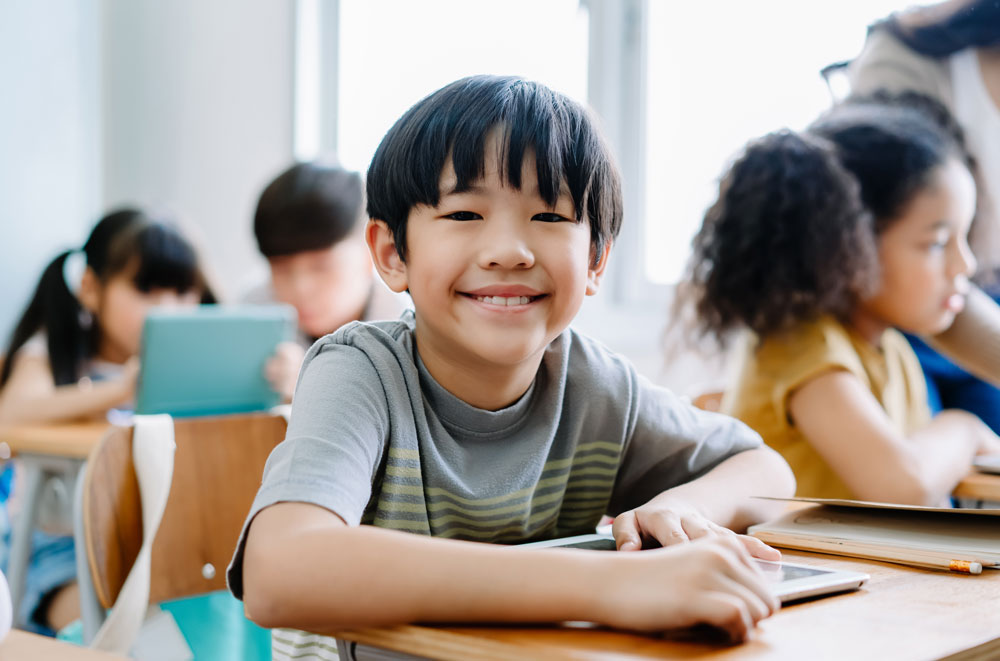
Asset 24: Bonding to School
Research shows that young people who care about their school are less likely to be involved in violence or the use of alcohol and other drugs. They also are more likely to become good leaders, value diversity, and succeed in school.
Asset 23: Homework
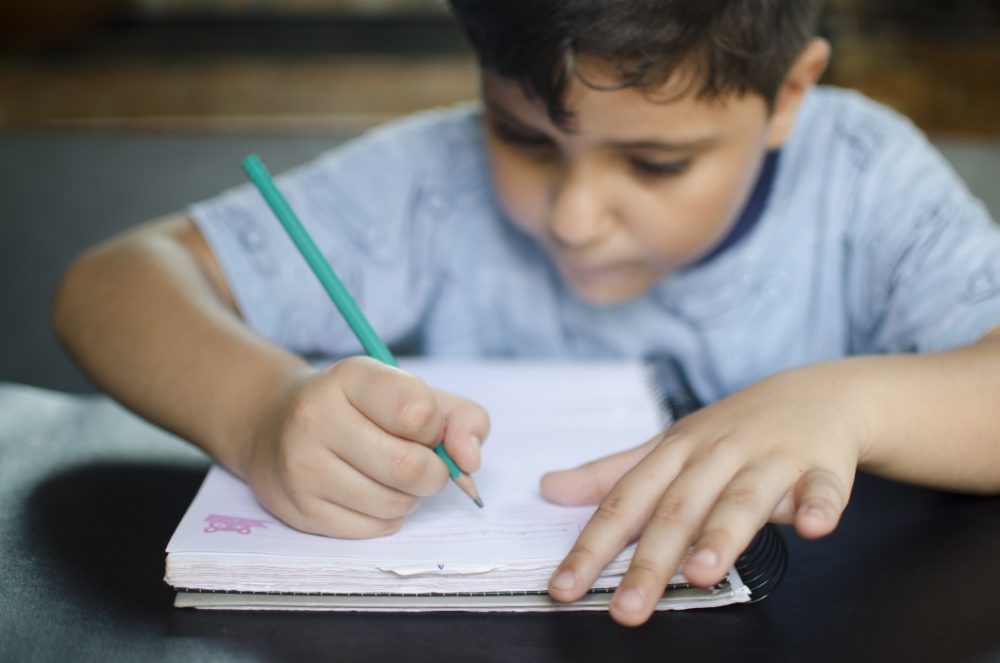
In addition to reaching academic goals, doing homework teaches young people to follow directions, manage their time, and work on their own.

Asset 22: School Engagement
Help young people understand that academics are just part of the education they must complete to successfully attain goals.

Asset 21: Achievement Motivation
Doing well academically doesn’t have to mean getting straight A’s or being the valedictorian. It does mean doing their best work and caring about their performance, whether they’re creating an art portfolio or writing an essay.

The Commitment to Learning Category of Developmental Assets
Instilling Commitment to Learning involves a combination of values and skills that include the desire to succeed in school, a sense of the lasting importance of learning, and a belief in one’s own ability.

The Internal Developmental Assets
Young people learn by example and repetition. Model and explain how your own behavior upholds the values and beliefs you—and your family—have.
Asset 20: Time at Home
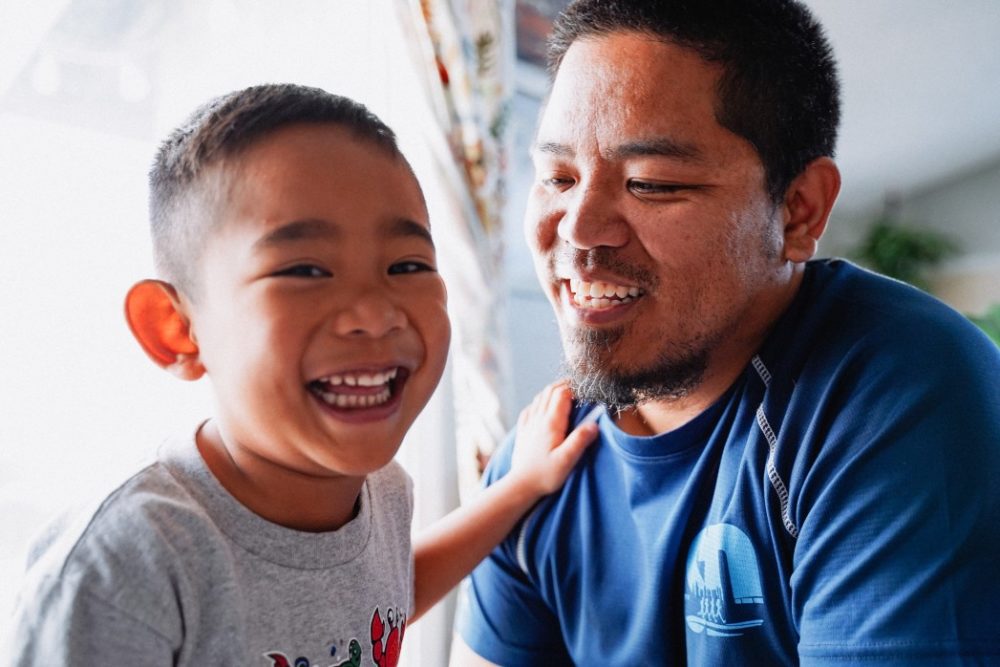
Research shows spending quality time together as a family helps young people strengthen skills such as leadership, good health, and success in school.

Asset 19: Religious Community
Young people who spend at least one hour a week involved in activities within a faith-based organization are more likely to: provide service to others, enjoy youth programs, follow and provide positive peer influence, and exercise restraint when it comes to risky behaviors.
Asset 18: Youth Programs
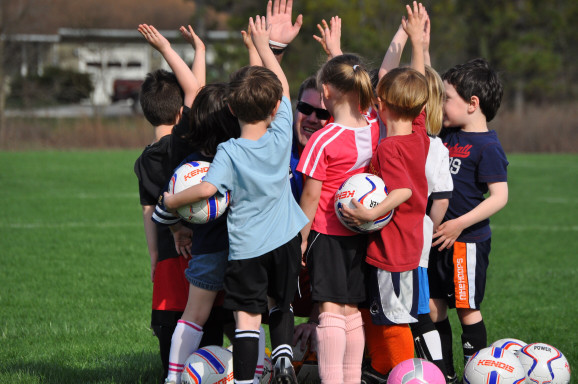
Research shows that young people who regularly spend time in sports, clubs, or other youth programs have higher self-esteem and better leadership skills, and are less likely to feel lonely.
Asset 17: Creative Activities
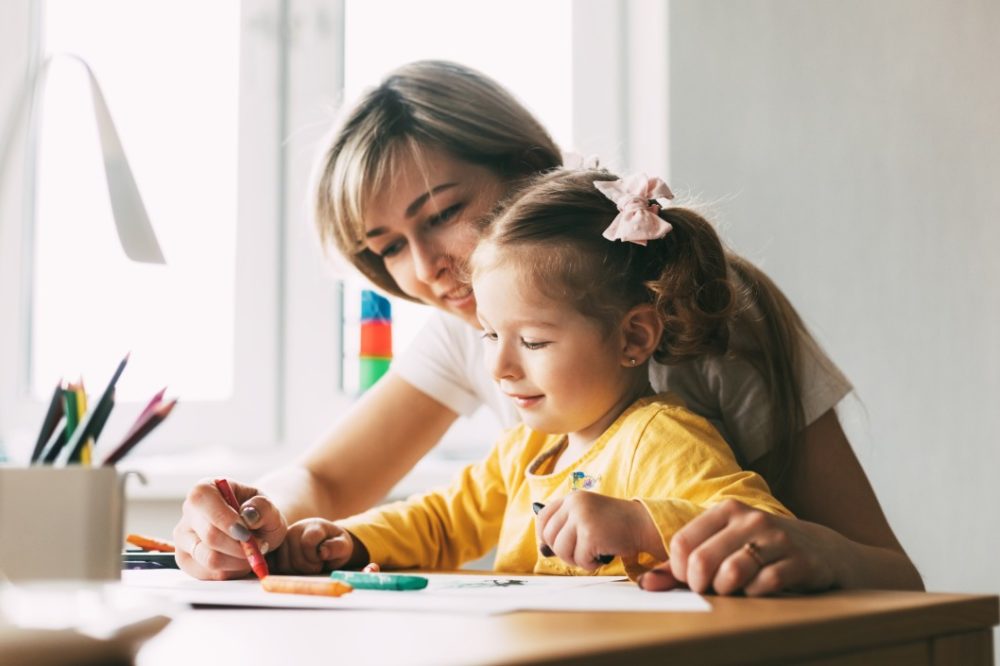
Being creative—singing, playing the piano, drawing, or acting—can be fun, and helps young people improve basic and advanced thinking skills.
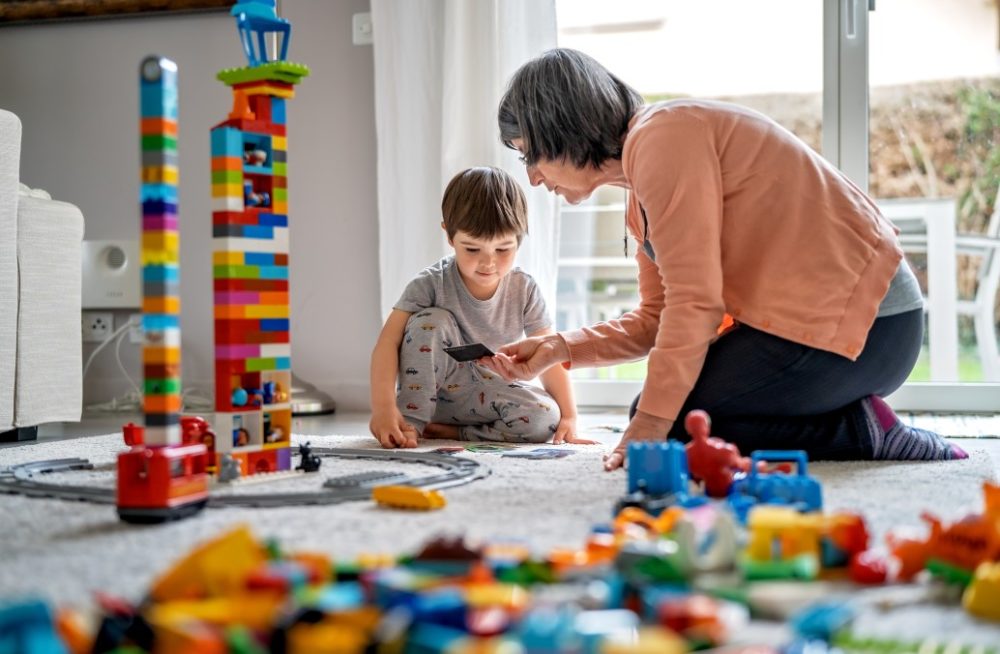
The Constructive Use of Time Category of Developmental Assets
Research shows that young people are more likely to grow up healthy when they have opportunities to learn new skills and interests through both structured and unstructured activities.
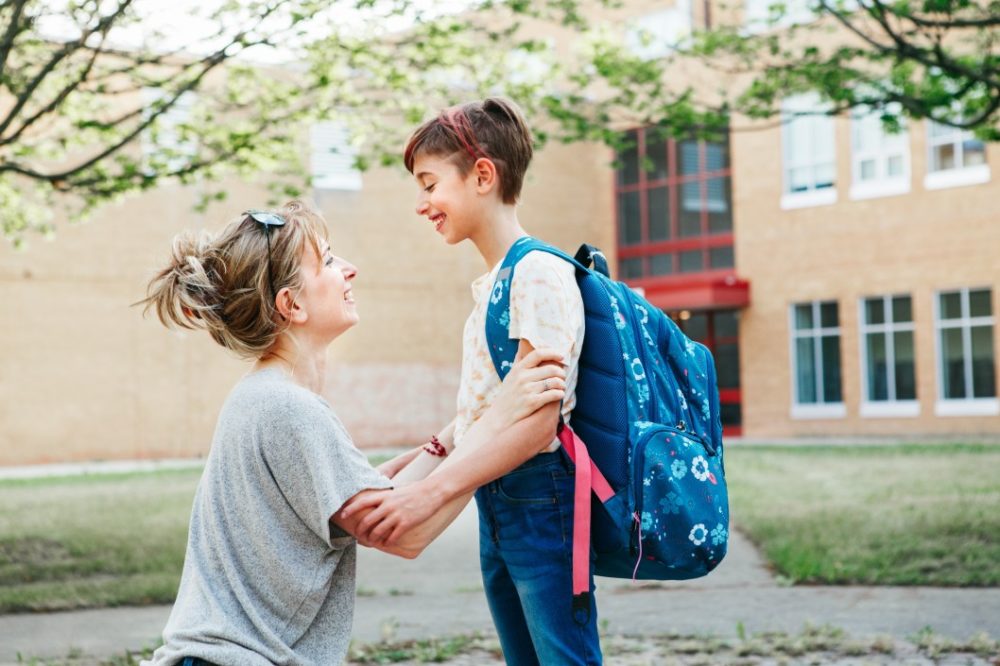
Asset 16: High Expectations
When caring adults show they believe in young people and help them reach their potential, youth are better able to do just that. Express your expectations to young people as a hope you hold for them.

Asset 15: Positive Peer Influence
The power to be positive Too often, people jam the words peer and pressure together and think of it as a bad thing. Truth is,
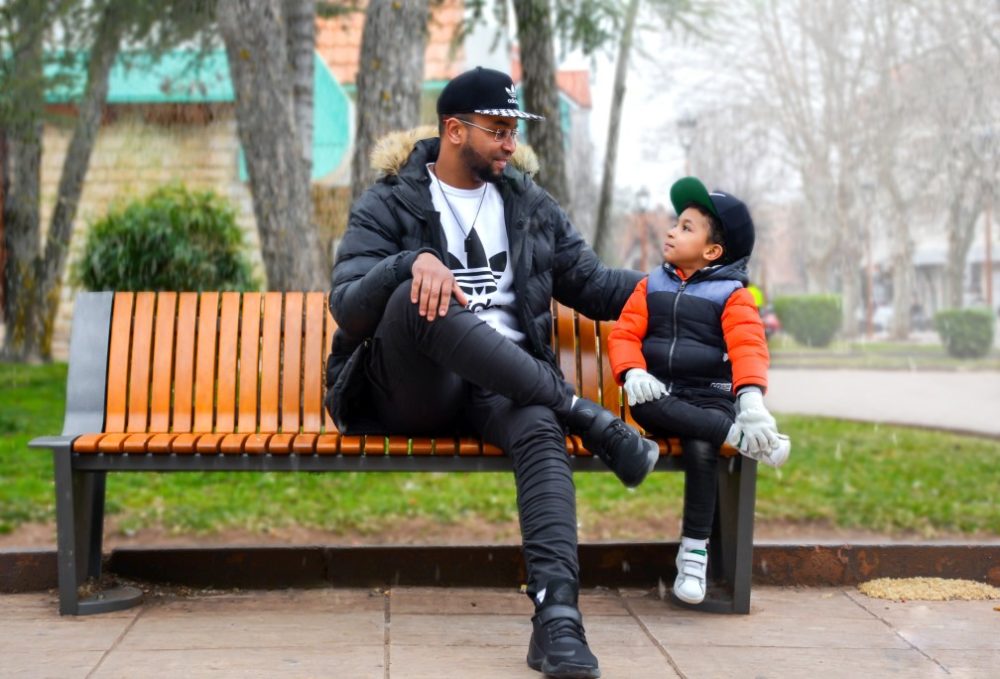
Asset 14: Adult Role Models
Young people look up to adults. They see you—especially if you’re a parent—as the type of person they want to become someday. They want heroes. That’s why it’s so important to be the best person you can be.
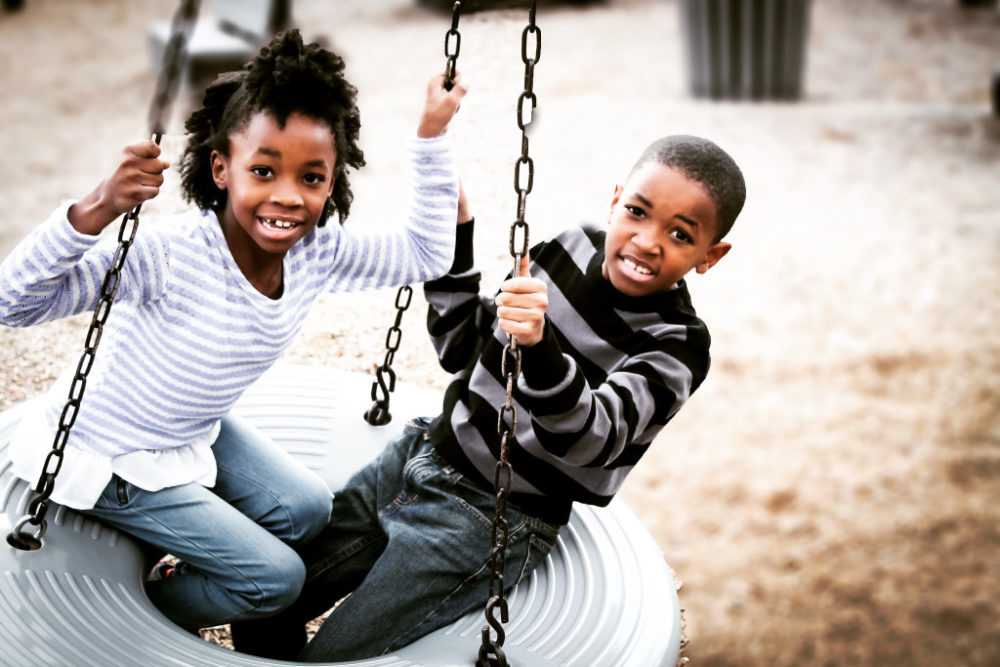
Asset 13: Neighborhood Boundaries
Everyone is someone’s neighbor. Young people benefit from knowing their neighbors are looking out for their safety, as well as monitoring their behavior.
Asset 12: School Boundaries
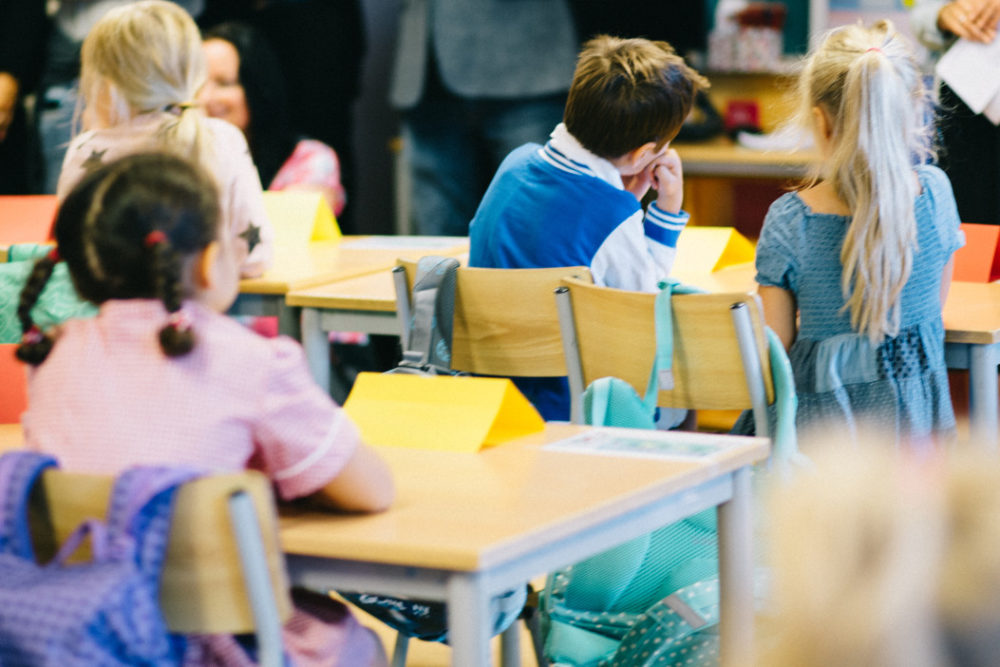
All schools need rules. In fact, young people actually learn better when school boundaries—expectations for how they should act—are clear and consistent.

Asset 11: Family Boundaries
Rules and expectations are important. They help establish the do’s and don’ts for society and help things run smoothly. But rules are not automatically known; they must be created and learned.

The Boundaries & Expectations Category of Developmental Assets
Every day young people face many options and choices. Boundaries and expectations provide young people with the support they need to choose wisely.
Asset 10: Safety
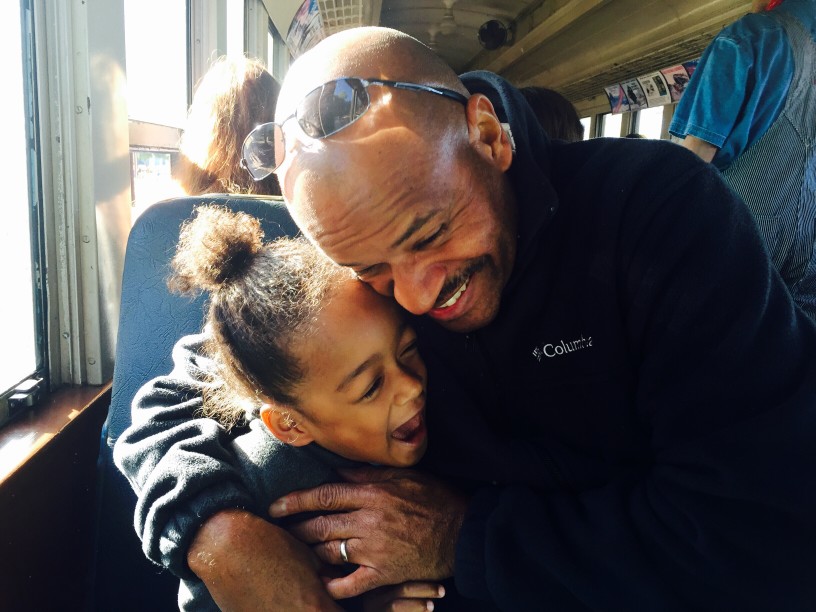
Young people who feel safe are more likely to feel secure enough to try new things. That’s why safety is an important part of feeling empowered.

Asset 9: Service to Others
To many young people, the world is small. But when young people start to reach out and help others, their world grows and so does their confidence.
Asset 8: Youth as Resources
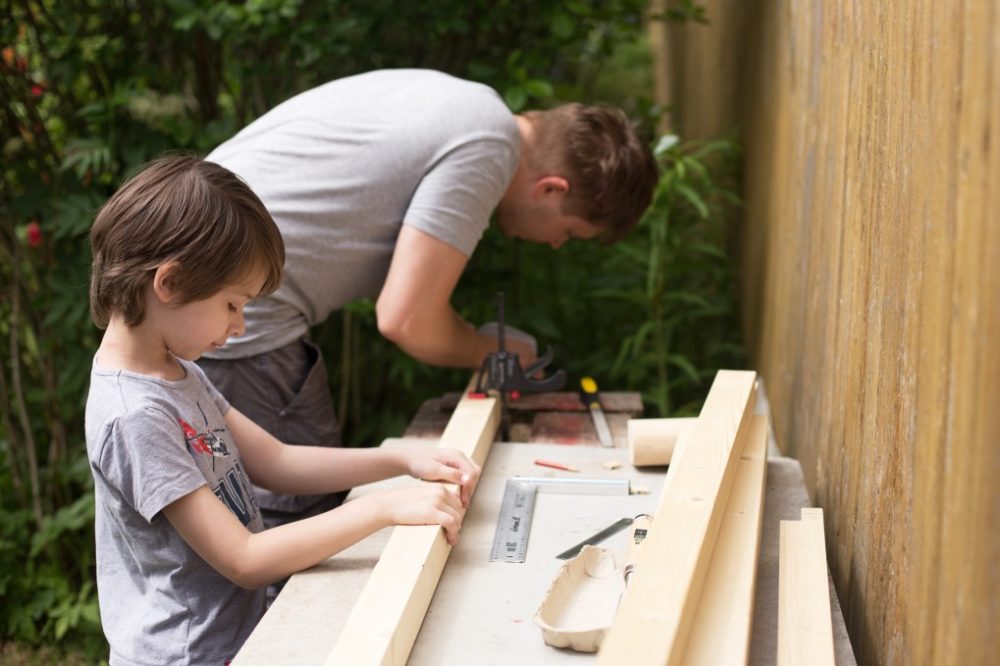
The ways people express ideas, energy, and insights make each person unique. Helping young people find their voices is one of the best ways to help them be a positive force in their families, schools, clubs, teams, or neighborhoods.

Asset 7: Community Values Youth
As young people grow older, they quickly sense where they are wanted and where they aren’t. Do the young people around you have opportunities to participate, serve, lead, and make decisions within the community?

The Empowerment Category of Developmental Assets
Feeling valued and appreciated is important to all of us. For young people, this means feeling safe and believing they’re liked and respected. These feelings can go a long way toward empowering children and youth.

Asset 6: Parent Involvement in Schooling
Young people need their parents to stay actively involved in their education throughout middle and high school. Research shows that young people are more likely to grow up healthy when their parents are involved in their education.
Asset 5: Caring School Climate
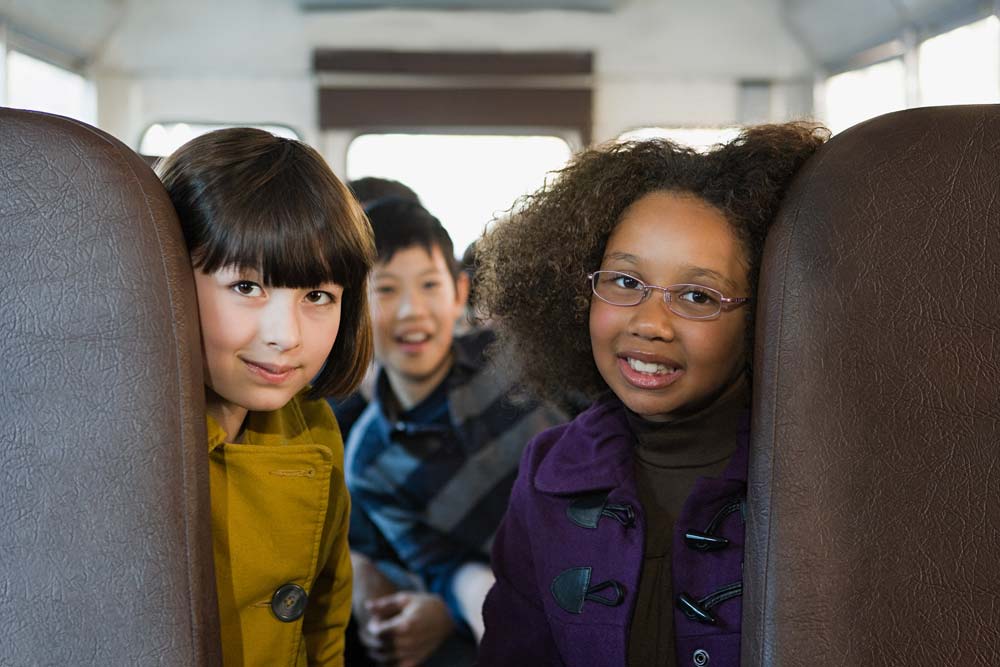
Research shows that young people who go to school where the environment feels caring and encouraging get better grades, have healthier relationships, get into less trouble, and are interested in and better able to reach their dreams.
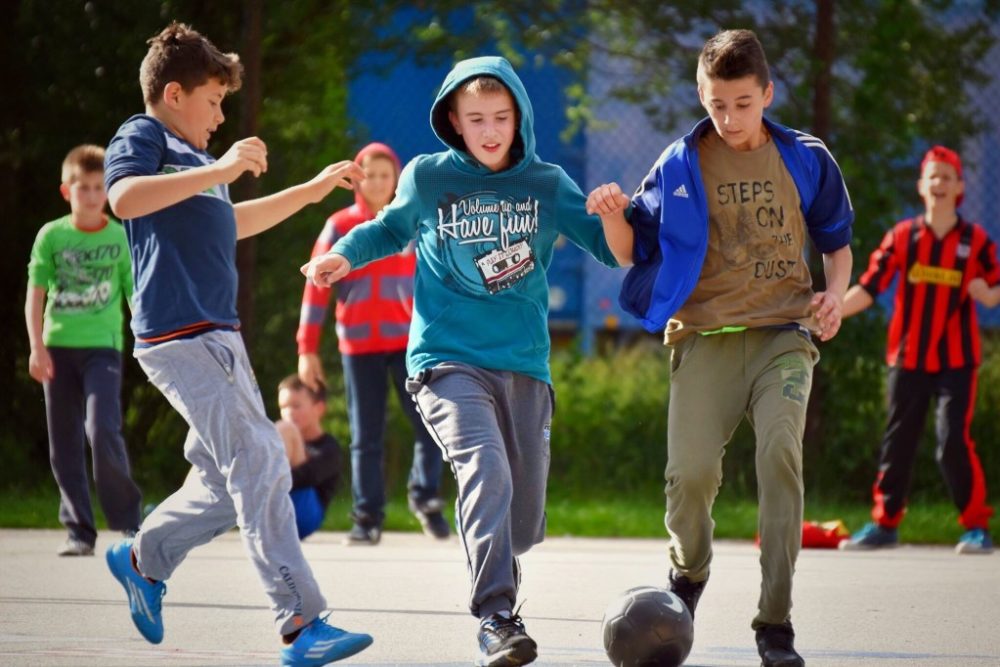
Asset 4: Caring Neighborhood
Research shows that young people are more likely to grow up healthy if they live in a community with caring neighbors. The key is to create a safe haven in which young people feel loved, supported, and understood.
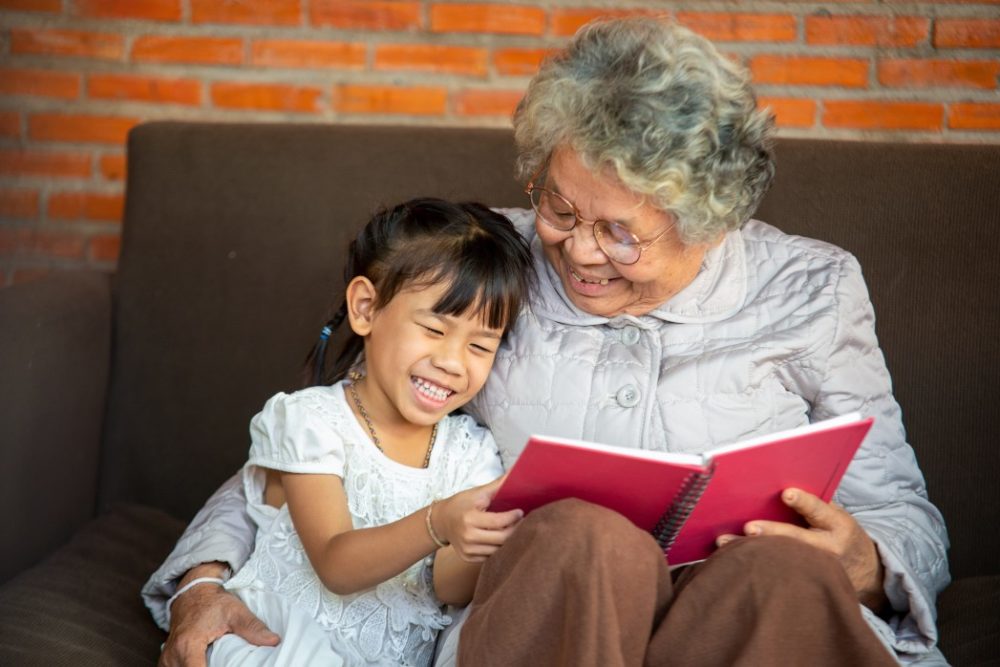
Asset 3: Other Adult Relationships
Research shows that young people who have three or more caring adults who support them feel happier and more hopeful, do better in school, and are less likely to rely on drinking, smoking, or drugs to feel good or fit in.

Asset 2: Positive Family Communication
Research shows that young people who experience positive communication with their parents are more likely to grow up healthy and are more willing to seek their parents’ advice and counsel.

Asset 1: Family Support
Research shows that young people are more likely to grow up healthy when their families provide them with high levels of love and support.

The Support Category of Developmental Assets
Many studies over the years confirm that caring, supportive relationships with adults are critical for raising young people who are healthy and resilient.

The External Developmental Assets
Young people depend on caring adults to provide the external assets that lead to a positive environment.
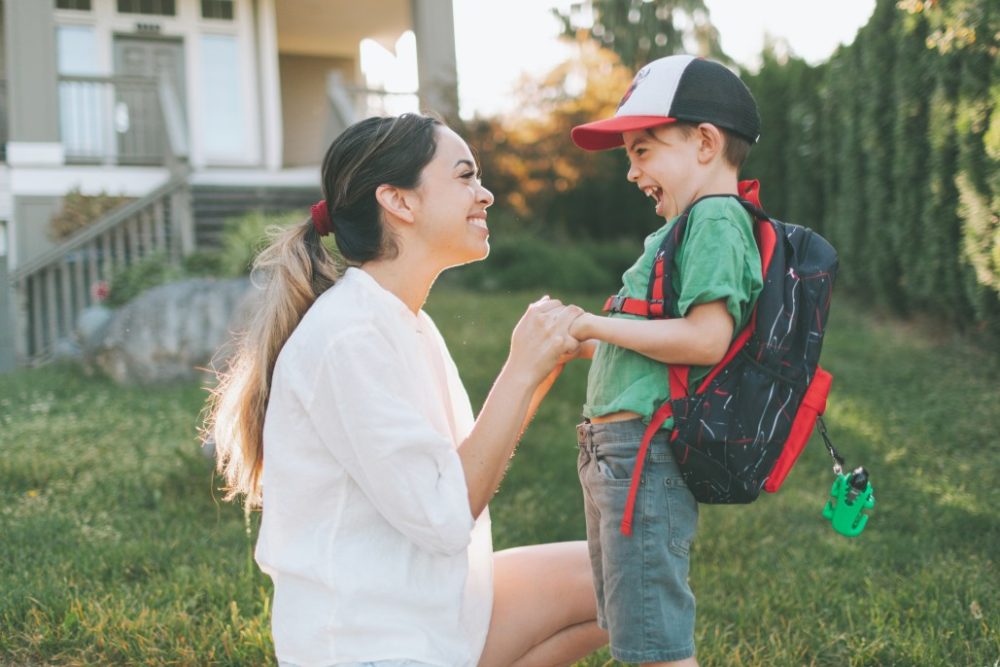
The Hopeful Message of the 40 Developmental Assets
The secret to helping children and youth grow into happy, healthy, and responsible adults isn’t really a secret at all. Research from Search Institute identifies 40 Developmental Assets that have a powerful, positive impact on young people.

Rani’s Story — How RHCK Helped Me Get My Son Back
Because of Raising Highly Capable Kids, Rani — a former drug addict struggling with homelessness — was able to get back custody of her son.

RezilientKidz Partnership With Knoxville Inner City Kids Outreach (KICKO)
Since 2019, KICKO (Knoxville Inner City Kids Outreach) has been a community partner utilizing our Raising Highly Capable Kids program in bold ways.

From Broken Relationships and Violence — to a Family of Peace
Clare was a single mom suffering from family violence in her home. Raising Highly Capable Kids offered a place where Clare could be heard but also where she could learn healthy principles of growth for her children.

“I Can Not Read or Write… Can I Still Come?”
Maria was raising her grandchildren because both of their parents were incarcerated. Because of her strong interest and deep need, I said yes.

RezilientKidz Expanding in Milwaukee
RezilientKidz is expanding in Wisconsin with rising partnerships with schools, businesses, faith organizations, and Marquette University’s Educational Opportunity Program (EOP).
Protected: Bidding for Connection (Asset #15)
There is no excerpt because this is a protected post.

When Should Your Child Get a Cellphone?
Kids want cellphones to connect with peers, build friendships and find a sense of belonging. When is the best time for them to get their first mobile device?

Use of Pornography Among Tweens and Teens
As much as we’d like to think of our children as innocent, we parents need to become aware of the widespread use of pornography among tweens and teens.
The Consequences of Sexting
Sometimes tweens and teens feel pressured into sending sexually explicit texts to their friends. This practice is known as “sexting.” In an effort to connect
Anorexia and “Pro-Ana” Websites
Are “pro-ana” websites helpful for those with anorexia and other eating disorders? I recently discovered that my teenage daughter, who has struggled with an eating
5 Ways to Discuss Politics with Your Family
It is critical that we teach our children how to discuss politics with others – both inside and outside the family – in a loving,
Protected: Cold Weather Tips for Cabin Fever (Assets 17, 20, 25)
There is no excerpt because this is a protected post.
Protected: The Importance of Unconditional Love in Parenting (Assets 1, 11, 38, 39)
There is no excerpt because this is a protected post.
How Do I Help My Shy Child?
Most of us have shy moments. Just as with adults, shyness can leave a child feeling awkward and embarrassed. When it’s severe enough it can
Becoming a Better Parent by Checking In
As moms and dads we all have weaknesses and imperfections. One of the best ways to identify points where we need improvement is to check

Bursting Our Negative Thought Bubbles
any people, my thought bubbles can get filled with negative stuff, especially when I’m worried or anxious. For a lot of us, the coronavirus has created some new anxieties and concerns.
Protected: Talking (and Thinking) About Politics In Your Home (Assets 26-31, 33 & 34)
There is no excerpt because this is a protected post.
Words Kids Use to Cope
Children deal with confusing or painful situations by trying to make sense of them. Some of the words they use to understand difficult circumstances include

5 Superpowers of a Dad
Like moms, dads bring their own unique and essential “superpowers” to the home. What “dad skills” might be considered superpowers, and how can dads exercise and improve them?
Protected: Helping Kids with their Anxious Feelings (Assets 10 & 40)
There is no excerpt because this is a protected post.
Back to School: Children and Friendships
The new school year is upon us! While there is still uncertainty about what that might look like in the era of the coronavirus, many
How Can I Get My Kids to Stop Fighting?
Researchers report that families with young children are rife with sibling rivalry. Some studies report that conflicts can occur as frequently as every 10 minutes.
Dads and Sports
Sports have so much to teach us about what it means to live well. Yes, good character can be taught in many Religious Communities (Asset
Dietary Treatment of Autism
Is a gluten-free/casein-free diet helpful in treating autism? Our son was diagnosed as autistic several years ago. We’ve been using behavioral therapies with him, but a friend suggested that this kind of diet might also be helpful.
Disciplining the Strong‐Willed Elementary Child
Do you have any advice for disciplining and training uncooperative school‐age children? My child is now in the elementary grades and life in our household is still an ongoing battle. Can you help us?
Educating a Gifted Preschooler on a Limited Budget
How can we encourage and promote our young child’s love for learning when we don’t have the money for preschool? She already knows how to read and she’s curious about everything. I’m not sure that I’m equipped to homeschool a child of her ability. What do you suggest we do?
Protected: Sibling Rivalry: Teaching Kids to be Kind (Assets 2, 26, 33, 36)
There is no excerpt because this is a protected post.
Home Schooling a Child with Learning Disabilities
Is it a good idea to try to educate a child with a developmental or potential learning disability at home? I want my son to have every possible advantage and to progress as he should, but I’m not sure I’m qualified to help him with his special needs.
Parental Influence on a Child’s Language Development
We have a toddler who is just learning to talk – is there anything important we should know about the respective ways in which moms and dads influence speech development?
Personality Change in a Pre‐Teen Boy (Assets 1, 3, 11)
How do we deal with an unhappy and contrary pubescent boy? Our ten‐year‐old son has just hit puberty, and it seems to have drastically altered
Preschooler Is a Picky Eater
How can we get our finicky four‐year‐old to eat what we put in front of her? We never allow between‐meal snacks, yet dinnertime has become a major pain.
Protected: Disciplining a Child Who “Runs Away”
There is no excerpt because this is a protected post.
Explaining Father’s Imprisonment to the Kids
How do I tell my young children that their dad won’t be around for a long time because he’s going to jail? He just received a two‐year prison term. Is there a gentle way to break this to them and help them understand?
Connection Between Fatherlessness and Violence Among Boy
What’s the relationship between fatherlessness and violent behavior among adolescent boys? I’m wondering about this because statistics show that an increasing number of children are
Changing Relationship with Teen
Is it normal for a parent’s relationship with a child to take on a different tone during the teen years? I was always close to
Cell Phone Etiquette for Kids
How can I encourage my teens to combine cell phone use with a proper respect for others? In the beginning I was happy to provide
Bullying in the Family
Do you have any ideas on how to stop my older kids from picking on their younger brother? I intervene when I can, but all
Advice on Teens and Online Chat Rooms
What’s your opinion on teens getting involved in social networking and online chat rooms? I’ve read some of the teen conversations on the sites my
ADHD and Lack of Focus in School
Should we be worried that our child is having trouble paying attention and sticking with her assignments in the classroom? We don’t think this is
Protected: Effects of Sarcasm on Kids
There is no excerpt because this is a protected post.
Evaluating Your Child for School Readiness
How can we assess whether or not our child is ready to start school? Can you suggest any basic guidelines?
How Dads Teach Daughters About Modesty
How can fathers help their girls learn about modesty? I want my daughter to get a handle on this concept before she becomes a teen, but I feel awkward about raising this subject with her. What’s the right role for a father here?
My Spouse Physically Abuses Our Children
My husband frequently lashes out at our children physically, and has seriously injured them on more than one occasion. I want to protect them, but I’m terrified of how he may react if I challenge him. What can I do?
Parent Concerned About Child’s Stuttering
How can I tell whether my toddler has a serious case of stuttering or stammering, or whether it’s just a normal part of speech development when he has difficulty getting his words out?
Parenting a “Boomerang” Child Together With Younger Kids
How should we parent a grown child when there are also two younger children in the home?
Parenting a Teen Who Struggles With Alcoholism
Where can we turn for advice and assistance in dealing with our adolescent son’s drinking problem?